
These infections are often caused by bacteria or fungi and can be recurrent due to underlying immunodeficiency. The skin is the body’s first line of defense against infections, but in CHS, the immune system’s inability to fight off pathogens makes the skin more susceptible. Common skin infections in CHS patients include cellulitis, abscesses, and fungal infections. These infections can be painful and may require antibiotic or antifungal treatment. However, with early diagnosis and timely HSCT, the prognosis for the immunological and hematological symptoms is significantly improved. A successful transplant can prevent recurrent infections and bleeding episodes, offering a normal life span.
Building a care team that understands your needs can make a significant difference in your quality of life. CHS typically develops after years of daily or near-daily cannabis use. The symptoms include intense stomach pain, uncontrollable vomiting, and an unusual compulsion to take hot baths or showers to relieve discomfort. These symptoms can be so severe that they lead to dehydration and emergency room visits. Cannabis Hyperemesis Syndrome (CHS) is a rare but important condition that can affect long-term, frequent cannabis users.
How is cannabinoid hyperemesis syndrome treated?
It is caused by a mutation in a specific gene that leads to abnormal function of certain cells in the body. This can result in various complications and challenges for individuals with the condition. Severe combined immunodeficiency (SCID) is a group of rare genetic drug addiction treatment disorders that affect both T cells and B cells of the immune system.

Treatment for Cannabis Hyperemesis Syndrome (CHS)
Only about 32 out of 100,000 patients who come to the emergency room for nausea treatment are diagnosed with CHS.3 However, anyone using cannabis should be aware of the signs. To diagnose CHS, a healthcare professional will study your symptoms and ask you questions. They’ll also examine your abdomen and may order tests to rule out other causes of vomiting. People with a disease may participate to receive the newest possible treatment and additional care from clinical study staff as well as to help others living with the same or a similar disease. Additionally, you can use ClinicalTrials.gov to search for clinical studies by disease, terms, or location.
- This level of distress highlights why CHS is much more than a minor digestive complaint.
- One study found a median time of 8 years from symptoms beginning to diagnosis – with some patients going up to 21 years with symptoms before a CHS diagnosis.
- Management focuses on treating infections promptly and supportive care.
Habits for Proper Mental Health
“Cannabinoid” points to the active chemical compounds in the Cannabis sativa plant, including THC (tetrahydrocannabinol) and CBD (cannabidiol). These cannabinoids typically bind to receptors in different parts of the body, such as the brain, spinal cord, and gastrointestinal (GI) tract. While cannabis is often thought of as a remedy for nausea, CHS flips that script and leads to severe vomiting after chronic use. If you are experiencing severe vomiting or other concerning symptoms, contact your health care provider.
- Contact 111 or go to your nearest Emergency Department if you have had severe vomiting for a day or more.
- The condition is tricky because, in the early stages, a person might not vomit.
- This is more common in men than women and usually starts around 35 years old.
- Many undergo invasive procedures before doctors identify their condition as related to marijuana use.
Chediak-Higashi syndrome (CHS) is caused by a mutation in the LYST gene (also known as https://digicorns.institute/alcoholism-and-narcissistic-personality-disorder-2/ CHS1), located on chromosome 1q42-43. The LYST protein is a large cytosolic protein that likely plays a role in regulating membrane fusion and fission events within the endosomal-lysosomal pathway. She is a communications expert working with Dr. Green Relief, specializing in creating engaging content that promotes holistic health and well-being. Olivia is interested in the intersection of mental health, mindfulness, and alternative therapies, which she explores through her writing. If you suspect CHS or need guidance, feel free to contact us for support and treatment options. The most important thing to make CHS better is stopping marijuana use.
- Patients may also have light sensitivity, vision problems, and delayed wound healing.
- Furthermore, CGD does not cause neurological symptoms, while Chediak-Higashi syndrome can lead to muscle weakness and coordination difficulties.
- If you’re experiencing CHS or struggling with marijuana withdrawal, you don’t have to face it alone.
- Through clinical studies, researchers may ultimately uncover better ways to treat, prevent, diagnose, and understand human diseases.
Currently, doctors do not have treatment guidelines for the management of CHS. Most of the evidence on effective treatment and management comes from published case reports. Many people with CHS go to their doctor or an emergency room (ER) how long does it take to recover from cannabinoid hyperemesis syndrome for treatment.
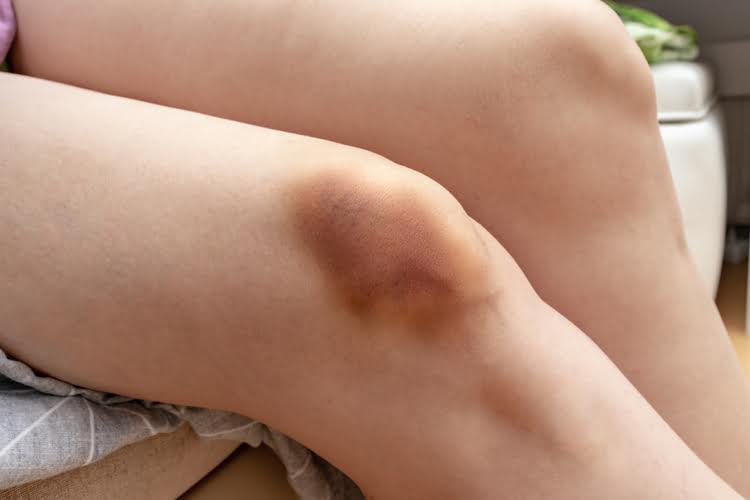
If you are experiencing CHS symptoms, the best thing you can do is to stop cannabis use and seek medical care immediately. Dehydration from vomiting can be fatal, so these symptoms should be taken seriously. After halting cannabis use patients typically recover in a matter of days, weeks, or months. Nausea ceases, appetite resumes, body weight is regained, and bathing/showering regimen returns to normal. Importantly, the patient must be a (usually frequent) cannabis user during this time for the CHS diagnosis to fit. Appetite is typically unaffected during this phase, but researchers note that consumers tend to administer more cannabis as a nausea remedy.
This can happen when you are stressed, excited, have an infection or when women have their period. Acupuncture/acupressure has been used to treat nausea symptoms successfully. However, there have been no specific studies for this alternative practice in treating CHS.
Greater Boston Addiction Centers
Hence, you must understand which Cannabis strain is best for your health and your symptoms. You must not take any form of Marijuana without consulting an expert. You should get a Medical Marijuana card in Jacksonville and take Cannabis responsibly with the advice of a licensed physician. In addition to THC, Marijuana contains numerous other active substances (more than 400).